

Types of Water Wells in Africa: An Educational Guide for Donors
Your support helps provide food, shelter, and care for vulnerable communities. Every contribution makes a difference.
Donate NowGet in touch : +44 (0) 121 753 4339
Your support helps provide food, shelter, and care for vulnerable communities. Every contribution makes a difference.
Donate Now
Hand Pumps | Shallow Wells | Boreholes | Rig Wells
400M+ Africans lack clean water | 750 People served per borehole | 4 Main well types we install
Not all wells are the same. The geology of the land, the depth of the water table, the size of the community, and the available budget all determine which type of well is most appropriate. At the African Relief Fund, we carefully match every project with the right solution to ensure safe, sustainable water access for years to come.
This guide explains the four main types of wells ARF installs across Africa, written to help our donors understand exactly where their support goes and the difference each type of well makes.
What is the water table?
Underground, the soil and rock are made up of tiny gaps and spaces. Rain and river water slowly seeps down through these gaps over many years. The water table is the level underground at which these spaces become completely filled with water — like a hidden lake beneath the earth.
In some places, the water table is close to the surface (shallow) — just a few metres down. In dry or desert regions, it can be very deep — sometimes hundreds of metres underground. Knowing where the water table sits helps our engineers choose the right type of well for each community.
No electricity needed. Operated entirely by community members.
Hand pumps are the backbone of rural water supply across Africa. Fitted over a drilled borehole, they allow communities to draw clean groundwater using human power alone — no electricity required. They are simple to operate, easy to maintain locally, and highly reliable when properly installed.
A single hand pump borehole can serve up to 750 people, making it one of the most cost-effective and impactful investments ARF makes. Communities receive training so they can carry out basic repairs themselves, ensuring the pump stays working for years without needing outside support.
KEY FACTS
Quick to build, lower cost, and suited to areas where the water table is near the surface.
Shallow wells are dug or bored to depths of less than 30 metres, reaching water that sits close to the surface. They are typically wide in diameter and lined with concrete or brickwork to prevent collapse and reduce the risk of contamination.
These wells are quicker and less expensive to build, making them ideal for areas where the water table is high — meaning clean water is not far underground. However, they are more affected by drought and surface contamination, so ARF always installs protective concrete surrounds and secure covers to keep the water safe.
KEY FACTS
ARF’s most commonly funded project — safe, deep, and reliable all year round.
A borehole is a narrow, deep hole drilled straight down into the earth to reach underground water reserves known as aquifers — natural stores of water held within layers of rock and sediment. Because the water is so deep underground, it is naturally filtered and far better protected from surface contamination than shallow wells.
Boreholes are the most reliable source of clean water for rural communities across Africa and are ARF’s most frequently funded project type. Once drilled, a casing is inserted to prevent the sides from collapsing, and a hand pump or motorised pump is fitted at the top to bring water up to the surface.
KEY FACTS
Heavy-duty drilling reaching 300+ metres — powered by solar or electricity.
Rig wells use heavy-duty motorised drilling equipment to bore deep through solid rock — sometimes reaching 300 metres or more underground. Once drilled, they are fitted with electric or solar- powered pumps that can supply large volumes of water to bigger towns, schools, health centres, or networks of multiple villages.
These are the most powerful and long-lasting wells ARF installs. Solar-powered rig boreholes are particularly life-changing: they provide a steady flow of water with very low running costs and are built to last for decades, even in remote areas with no mains electricity.
KEY FACTS
The table below gives a simple side-by-side overview of all four well types to help you understand how they differ and where each one is best used.
| Well Type | Typical Depth | Power Needed | Contamination Risk | Stays Working in Dry Season | Best For |
| Hand Pump Well | 15 – 80 metres | None | Low | Moderate | Rural villages |
| Shallow Well | Under 30 metres | None | Higher | Lower | High water table areas |
| Borehole Well | 30 – 200 metres | Hand pump | Very Low | High | Most rural communities |
| Rig (Motorised) Well | 100 – 300+ metres | Solar or electric | Very Low | Very High | Towns, schools, clinics |

Collected: £400,000
57% Donated
Goal: £700,000
In Somalia and Ethiopia, millions lack access to clean water. With your support, community wells provide safe drinking water and reduce waterborne diseases.
Donate now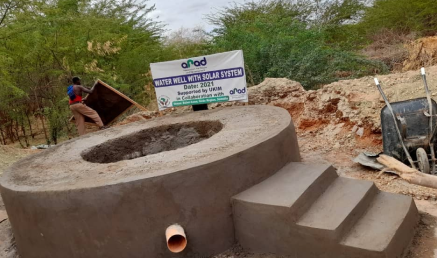
Collected: £75,000
25% Donated
Goal: £300,000
Remote villages in Somalia and northern Kenya face severe drought and limited electricity. Solar-powered wells deliver sustainable, reliable water access.
Donate now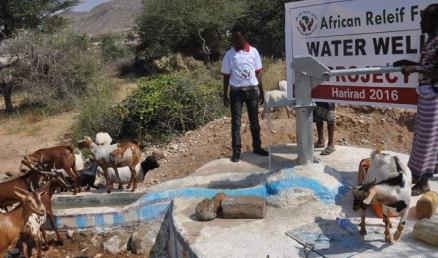
Collected: £120,000
24% Donated
Goal: £500,000
Rural communities in Ethiopia often rely on unsafe water sources. Your donation helps install hand pump wells for long-term clean water access.
Donate now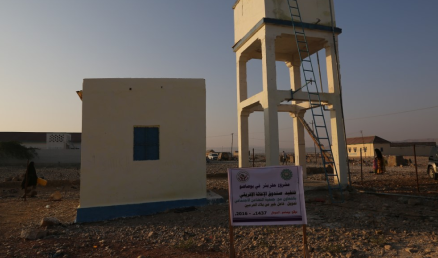
Collected: £200,000
25% Donated
Goal: £800,000
Drought-prone regions of Somalia struggle with water scarcity. Rainwater harvesting helps families store water and survive prolonged dry seasons.
Donate nowARF© 2026 African Relief Fund is a registered charity in England and Wales